Sunday, September 29, 2013

Mindfulness

In this age of 140-character tweets, my biggest academic adjustment over the past year has been to adopt the “SF State of Mind,” which seems to emphasize brevity, or KISS (Keep It Simple Sweetie, as one gentle professor reminded my class): course assignments were typically 2’ x 3’ posters; research papers ranging from 5 to 8 pages (like executive summaries); and oral presentations allowed only 2 to 5 minutes on average, and 10 minutes maximum.  

For an introvert like myself, who prefers gray matter – complexity versus black/white simplicity, deep discussions versus chit-chat or sound bites, I had to constantly remind myself to be less intense and think like a blogger instead. . . Now in my second (and, I hope, final) year in graduate school, I felt rewarded upon learning that my culminating experience assignment would be 30 pages! 

Outside SFSU, I use this blogspot for freely wandering and wondering -- without paying attention to length and time restrictions :-)

Senior & Disability Action: Putting the "D" in SDA! Mind your manners

SDA staff use popular education in this skit to cover what to do and what not to do in interactions with persons with disabilities.
Moderator Donna held up a STOP sign to de-brief after each scenario of Jessica (in wheelchair) and Tony (standing as her companion) when they encounter Sarah and James at a meeting.
  • Don’t treat a person in a wheelchair as though she's not able to speak for herself 
  • DO speak directly to the person in a wheelchair, on the same eye level if possible
  • Don’t assume low expectations of a person in a wheelchair by making over-the-top comments like “wow, it’s so inspiring how you actually got up and left the house to come here,” as if doing everyday activities is exceptional
  • DO remember the person is not a disability
  • Don’t be patronizing or pity a person in a wheelchair by offering to “pray so you can be a whole person”
  • DO treat all persons with respect and dignity

Aging While Black Forum
Deloris McGee and Marie Jobling of Community Living Campaign organized their second annual Aging While Black Forum at I.T. Bookman Community Center.  OMI Community Connector Deloris initiated last year’s Forum in response to her community’s request for a culturally sensitive program in the OMI community because blacks are “sicker, poorer, and have more issues to deal with when born into a pre-existing condition of racism and discrimination.” 
Highlight was hearing from Dorsey Nunn, Executive Director of Legal Services for Prisoners with Children (LSPC), who didn’t find humor in a previous speaker’s “joke" about sending seniors to prisons where they can get their basic needs met including video monitoring and guards.  Some audience members actually laughed at this "joke," which made me uncomfortable to think that the invisibility of persons in institutions like prisons and nursing homes might lead to insensitivity and ignorance about true conditions.

Formerly incarcerated as a 19-year-old, now 61-year-old Nunn said that depicting prison as a luxury vacation is like characterizing slavery as good for jobs – the reality is no freedom in prison and slavery.  He invited us to celebrate LSPC’s 35th anniversary next month with Michelle Alexander, author of The New Jim Crow: Mass Incarceration in the Age of Colorblindness, which presents evidence that more Blacks are enslaved behind bars today than were enslaved on plantations in 1850, a decade before the Civil War began and the Emancipation Proclamation was signed.

Nunn also talked about the realities of aging in prison, like a 70-year-old struggling to climb to the top of a bunk bed, defecating on himself, not being able to defend against younger prisoners who play loud hip-hop, falling inside a cell with no one to check on him, etc.  Read LSPC’s report, Dignity Denied: The Price of Imprisoning Older Women in California, by Heidi Strupp and Donna Willmott (note: same Donna as the SDA moderator above).  Consistent with the program’s theme of community building, Nunn also brought attention to the recent prisoners' hunger strike to protest solitaryconfinement.  


On Lok Lifeways Sustainable Long-Term Care: Matter Over Mind?  

Mind matters! Raised in the holistic (mind-body connection) practice of Traditional Chinese Medicine (TCM), I find the Cartesian mind-body split puzzling.  I also find puzzling the notion of emotions being either “positive” (encouraged) or “negative” (discouraged).  According to the Nei Jing (Chinese medical text), the seven emotions—joy, anger, sadness, grief, pensiveness, fear and fright—all appear in healthy individuals, and cannot be separated from the physical.  In TCM, moderation and balance are key, so emotions are acknowledged and expressed appropriately; but when an emotion is either excessive or suppressed, then this disharmony results in compromised health. 
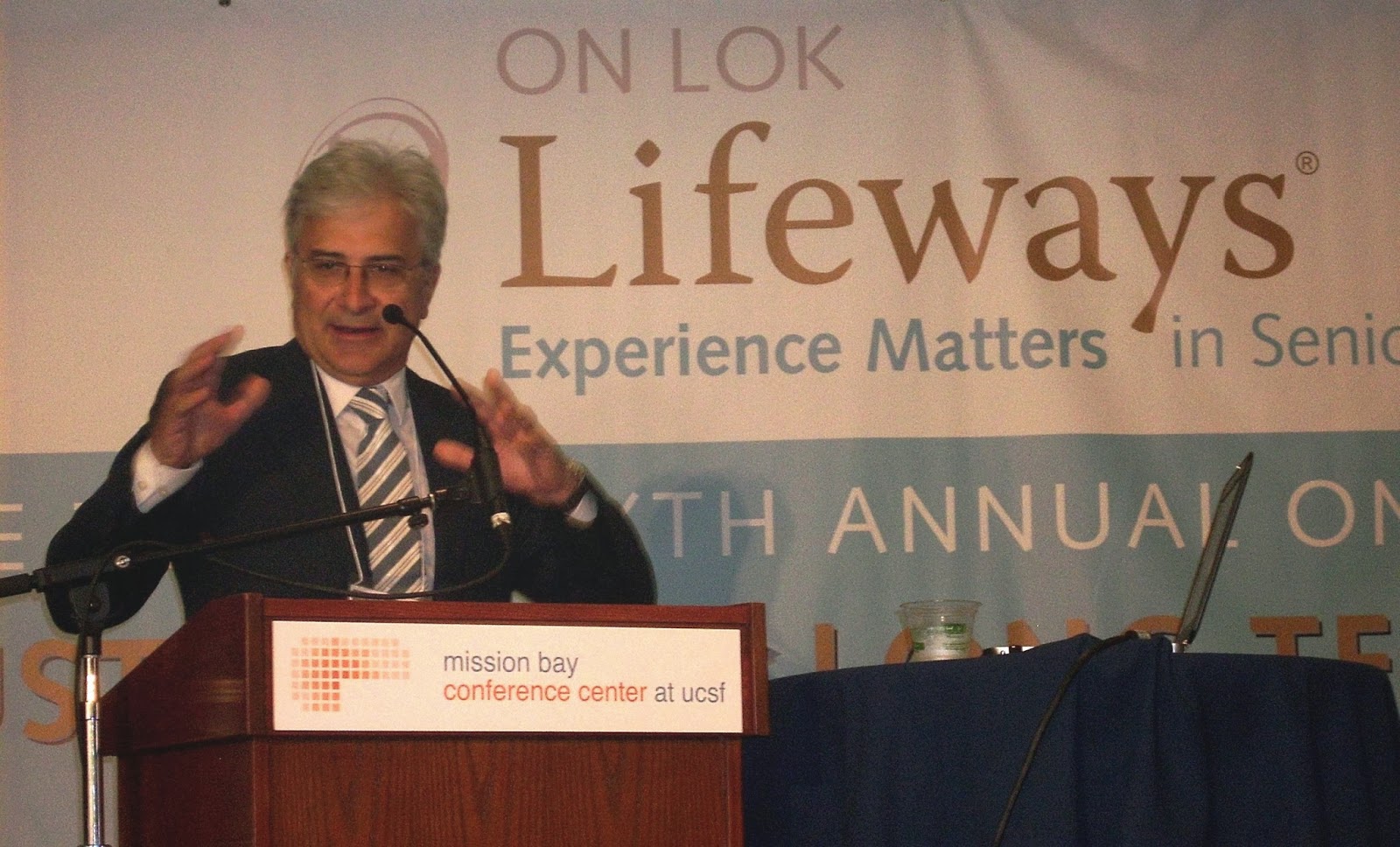
On Lok Lifeways CEO Bob Edmondson welcomes 300+ conference attendees

When I received this year's invitation to the 6th annual On Lok Sustainable Long-Term Care Conference focused on “the latest developments and innovations in meeting the mental health needs of older adults,” I was intrigued by the “Matter Over Mind?” theme, but somewhat disappointed that this emphasis on the “latest” meant there was no presenter representing the “traditional” Chinese medicine perspective.  (Nonetheless, I registered for the conference—just as I did last year because I couldn’t resist the student discount rate!) 

After all, the holistic Chinese perspective influenced On Lok to pioneer the model of coordinated care for older adults with chronic care needs in community settings, rather than institutions, in San Francisco’s Chinatown over 40 years ago.  Based on traditional Chinese “it takes a village” and preventive health services model, On Lok (which means “peaceful, happy abode” in Cantonese) provides high-quality, culturally appropriate one-stop shopping:  medical and social supportive services, like nursing and physical, occupational and recreational therapies; meals; nutritional counseling; social work; home health and personal care; prescription drugs; respite care, etc.  On Lok’s model was so cost-effective while reducing nursing home admissions for participants that it was replicated under a new name, Program of All-Inclusive Care for the Elderly (PACE), in 1987 and then made a permanently recognized provider type under the Medicare and Medicaid programs in 1997.  (In 2006, On Lok renamed its PACE program to On Lok Lifeways.)  
AgeSong CEO/Founder Nader Shabahangi's conference moderator role was rather limited to introducing presenters and fielding questions from the audience.  I thought he would be an interesting presenter himself – especially as I was interested in learning more about AgeSong’s new partnership with University Mound Ladies Home.
Pop psychiatrist Daniel Amen on Preventing Alzheimer's Disease - Former X-ray technician Dr. Amen said the important question is: how do you know what’s going on in the brain unless you look?  He uses single-photon emission computed tomography (SPECT), a form of nuclear imaging test that measures blood flow to the brain.  His belief is that the brain does not deteriorate, but behavior can accelerate or deteriorate the brain, so we have a choice how fast the brain ages and can reverse brain damage.  But often we do not care because we can’t see.  Dr. Amen said we need to start by knowing the health of our brain, as revealed by SPECT scan, and losing belly fat because “the obesity epidemic is the biggest brain drain.”  The rest of his presentation was common-sense advice to reduce risk factors (avoid anything that hurts brain, engage in regular brain-healthy habits).  Yet, Dr. Amen remains controversial due to his use of SPECT to diagnose individuals, and the lack of peer-reviewed studies of his work. 

The next two speakers provided an interesting counterpoint with their emphasis on peer-reviewed research.  Psychotherapies are about as effective as medications in reducing symptoms of clinical depression or anxiety disorders, but without meds’ side effects. 
UCSF clinical psychologist Patricia Arean, on Behavioral Interventions for Late Life Depression, Anxiety and Chronic Illness Management, talked about the evidence-based research to support psychotherapy for older adults: cognitive behavioral therapy, interpersonal therapy, and problem-solving.
On Lok Lifeways Chief Medical Officer Jay Luxenberg on Drugs and Other Therapies for Mental Illness in the Frail Elderly: What is the Evidence?
Next up was a more touchy-feely presenter, Khatera Aslami, who is President of the Board of Directors at Copeland Center for Wellness and Recovery, on Wellness and Recovery Action Plan (WRAP) and Eldercare.  WRAP is a strengths-based approach founded on the principles of hope, personal responsibility, education, self-advocacy and support.  WRAP includes wellness tools, daily maintenance, action plans for triggers/early warning signs/when things are breaking down, crisis planning and post-crisis planning.  Aslami didn’t really address eldercare, other than to briefly mention that Alzheimer’s might prevent new learning to make good decisions about lifestyle, relationships, health care, leisure, etc., and isolated older adults might find it more challenging to have at least five key supporters to call upon when needed.  But her presentation was a good WRAP review as last year I took an introductory class on this recovery model at City College of San Francisco, where I continue to take coursework in its Community Mental Health Worker program
Engineer Joseph Choi founded TheraBaby, life-sized baby dolls that serve as companions for seniors living with dementia.  His own mother, who had late-stage Alzheimer’s disease, had dramatically improved her quality of life after bonding with the first TheraBaby, which also sparked social interaction among other residents.  In July 2012, Choi launched TheraBaby as a social good project by finding sponsors to adopt TheraBaby into senior care organizations in the Bay Area and Hawaii.  At this time, TheraBaby appears with blue eyes only, though Choi says he would consider different looks as his project grows.
Brain-friendly Mediterranean lunch of salmon on bed of greens: what's good for the heart is good for the brain
Psychiatrist Roberto Mezzina on An Open Door/No Restraint System of Care for Recovery and Citizenship in Trieste, Italy, reported that Trieste was able to dramatically reduce hospitalization/institutionalization with community services to promote aging in place, even when more than 27% of the population is over age 65! 
Stanford research psychologist Philippe Goldin on Science and Practice of Mindfulness Meditation, began a meditation exercise when I excused myself to head over to my late afternoon gerontology research class at SFSU.   

I also missed the last presentation on Harnessing Neuroplasticity of the Older Brain to Enhance Cognition, by UCSF neuroscientist Adam Gazzaley.  However, I’d read about Gazzaley’s study suggesting that older adults can improve cognition by playing video games, which are fast-paced and unpredictable, adaptable in difficulty, and challenging to working memory, attention and processing speed.  Sure, this might be one of the “latest developments and innovations,” but I prefer to engage my brain from traditional social interactions in the real world rather than games in the virtual world.  The former is intrinsically rewarding, while the latter is just a means to an end—much like how I prefer getting my nutrition from traditional whole foods, rather than supplements or fortified foods.

Brain Fitness
Psychologist Charles Vella presented Aging, Dementia and Brain Health in gerontologist Hope Levy's popular Brain Fitness series at the Main Library through City College of San Francisco's Older Adults Program.  Here are Dr. Vella’s Ten Commandments for Brain Fitness:
1.     Thou shall exercise daily.
2.     Thou shall minimize risk factors for cerebrovascular disease (hypertension, hyperlipidemia, diabetes, overweight, smoking)
3.     Thou shall eat Mediterranean diet.
4.     Thou shall choose thy parents wisely.
5.     Thou shall maintain intellectual engagement throughout life.
6.     Thou shall cultivate and sustain friendships and good company.
7.     Thou shall obtain restful sleep.
8.     Thou shall enjoy only one drink of alcohol.
9.     Thou shall manage stress effectively.
10.Thou shall not text or use cell phone while driving.

Mindful Eating 
Neuropsychologist Nancy Hoffman on Food and Mood: How the Food You Eat Affects the Way You Feel, at Life Planning Network meeting, hosted by Lee Abel, at AgeSong's rooftop garden.  Hoffman based her talk on nutritionist Elizabeth Somer’s book, Food and Mood, focusing on food sources of neurotransmitters like mood-enhancing dopamine (meat, milk, eggs, fish, beans, tofu), calming serotonin (tryptophan with complex carbs), pain-killing endorphins (high protein, daily exercise) and acetycholine for memory/new learning/attention (egg yolk, wheat germ, soy, cauliflower, chicken).  It was very similar to Marin County psychotherapist Julia Ross’ The Mood Cure, which I read while studying holistic nutrition.

Moving Meditation 
I get my qi flowing during Da Yan Qi Gong class at Botanical Garden inside Golden Gate Park.

Saturday, August 31, 2013

Herstory

While age segregation holds little appeal for me, I can appreciate that aging is a women’s issue and the value of an all-women’s space so that women’s voices can be truly heard.  After all, women live longer than men and thus make up the majority of older adults.  Compared with men, older women are three times more likely to be widowed or living alone, almost twice as likely to be nursing home residents, spend more years and a larger percentage of their lifetime disabled, and are nearly twice as likely to live in poverty.  Women experience higher rates of domestic violence than men, and like women who are the majority of caregivers, women in these situations report higher levels of stress, depression, and other chronic health conditions. (http://www.aoa.gov/AoARoot/Aging_Statistics/Profile/2011/2.aspx & http://www.globalaging.org/agingwatch/cedaw/cedaw.pdf)  
As one of 20 Community Health Workers selected to participate in this month’s Women’s Health Leadership Institute (WHLI), hosted by Region IX Office on Women’s Health (OWH) of the U.S. Department of Health and Human Services, I appeared to be the only participant focused on older adults’ health.  For FY 2013, OWH priorities include enhancing access to information and health care resources that promote the safety and health of older women (aged 50+) in the areas of prevention and behavioral health, abuse in older adults or caregiving.  Check out OWH's publications on Healthy Aging and A Lifetime of Good Health. (Note: California’s Office of Women’s Health was eliminated as of July 1, 2012.)
Kay A. Strawder, JD, MSW, Regional Women's Health Coordinator, welcomes our Region IX cohort.  Our facilitators, Jenifer Metz and Sali Butler, are seated in corner.  (Photo courtesy of Carmen Ferlan, MPH, MIS)

Our training emphasized a systemic or ecological approach to public health problem-solving, addressing the root causes of health disparities, to prepare for our Community Action Project.  Instead of a superficial “blame the victim” for not taking personal responsibility—like Sheryl Sandberg’s belief that men still rule the world because women lack self-confidence so they need to “lean in”—an in-depth analysis of the problem might identify systemic factors, like institutionalized sexism, lack of access to child care and flexible work arrangements; see http://www.nytimes.com/2013/08/11/magazine/the-opt-out-generation-wants-back-in.html.

We participated in several activities to understand the context of advances in women’s rights (I was surprised to learn that “Nebraska is the first state to pass a law making it illegal for a man to rape his wife,” actually took place in my lifetime, in 1976, the U.S. bicentennial year), and to analyze women’s biographies (Dolores Huerta, Oprah Winfrey, Michelle Obama) for stones (obstacles) and shovels (leadership skills used to move obstacles).  My personal choices for inspiring public figure women biographies would be Frances Perkins (U.S. Secretary of Labor during FDR administration, died at 85 years in 1965) and Vandana Shiva (60-year-old environmentalist).
During breaks, classmates led activities like hula (Wilma from Lanai, pictured above in photo courtesy of Carmen Ferlan; note, one male Jose on far left), salsa and merengue (Arletha from Oakland), creating flowers from pipe cleaners (Monissa from Saipan), body fat measurement and aerobics (Phyllis from Santa Clara).

WHLI training took place in the Federal Building, where I bumped into former colleagues at U.S. Department of Labor.  I had been one of the few female investigators, but didn’t pay much attention to this gender imbalance because I was so busy conducting field investigations and keeping current with the ever-changing benefits law (for example, check out how the recent repeal of DOMA impacts ERISA plans).  As an ERISA geek, Labor Day weekend meant celebrating the September 2, 1974 enactment of ERISA! I also paid more attention to traveling and eating, so perhaps I had succumbed to gender neutrality disorder . . .that is, until I began full-time studies in nutrition and gerontology, which are dominated by women!  Nonetheless, where the WHLI application asked, “what cultural group do you most identify with?” I responded “permaculture” instead of “woman.”

Participating in WHLI reminded me of attending “not an all-girls school without men, but an all-women’s college without boys.”  At women’s colleges, women have all the opportunities to rule, which does wonders for building confidence, breaking barriers and making herstory! Ready to break out into Helen Reddy’s “I am Woman, hear me roar!”
 
At the right place and time:  I worked as a proofreader at the College Relations Office, which gave me easy access to interview visitors like Pulitzer Prize-winning columnist Ellen Goodman.  A women’s college graduate herself, Goodman discussed how the "values gap" based on traditional roles for men (high-powered career) and women (home, family) resulted in the Superwoman myth (women can have it all, only if they do it all by themselves) as women have had more success in getting into the male world, than in changing that world.  Here I appear as an awestruck teenager in the presence of Goodman with College Relations Director Susan Shea and College President Mary Metz.  Following her retirement in 2010, Goodman founded The Conversation Project about communicating end-of-life wishes.

I pay more attention to women's leadership.  The idea for University Mound Ladies Home (UMLH) came from Mary Staples, a philanthropist and wife of the man who helped San Francisco businessman James Lick prepare his will.  Founded in 1884, with a bequest from Lick, UMLH is a nonprofit, 74-room assisted living residence for older women.  It hosted the 6-week Healthier Living-Chronic Disease Self-Management Program, attended by residents and the public, but this month’s graduates were all women :-).  I love that UMLH has management and staff trained in gerontology! Check out this interview with SFSU gerontology instructor Pat McGinnis who talks about how quality of care is compromised in the for-profit model in assisted living at http://www.pbs.org/wgbh/pages/frontline/social-issues/life-and-death-in-assisted-living/patricia-mcginnis-get-the-for-profit-model-out-of-senior-care/.  

This year marks the 50th anniversary of the publication of The Feminine Mystique, Equal Pay Act, and March on Washington for Jobs and Freedom.  USF Diversity Scholar Visiting Professor Clarence B. Jones (pictured above) said as a 32-year-old lawyer who assisted MLK, Jr. in drafting “I Have a Dream” speech delivered at the March on August 28, 1963, he never thought he’d live to be 82 years old.  He credited Mahalia Jackson (Queen of Gospel, who was 51 years old at the time) for calling out, “Tell them about the dream, Martin!” which prompted 34-year-old MLK, Jr. to depart from reading his prepared text to describe his dreams for freedom and equality.  This dream was partly realized with the Civil Rights Act of 1964, which banned discrimination based on “race, color, religion, sex or national origin.”

Sisters Rize! video screening at Intersection for the Arts.  In August 2010, Sisters Rize! formed as a women’s group, within Central City SRO Collaborative, to create strong community bonds amongst women, learn new skills and organize actions to address problems in their neighborhoods and SROs.  Over a 12-week period, ten women used a digital flip camera to make video shorts about their lives.  
District 6 Supervisor Jane Kim (seated at left in front row) and Brenda Washington (on stage) whose “Now the Sunshine” documented her bout with cancer.  Other insightful videos were Sandy Manning's "Trying to make it in the world" (preparing breakfast in SRO), Sherrie Taylor's "Been there done that" (domestic violence), and Diane Hawkins' "Pigeons of San Francisco."  Sisters Rize! next project is to learn self-defense.  In the Tenderloin Housing Clinic’s 16 SRO hotels, men outnumber women almost four to one.  
Women lead in the aging field, like Senior & Disability Action Executive Director Jessica Lehman.    
DAAS Executive Director Anne Hinton speaks at SDA reunion in Rosa Parks Senior Center for graduates of Senior Survival School & Senior University.  SDA, DAAS and Coalition partners won a 2013 Aging Achievement Award for SRO Housing Advocacy by the National Association of Area Agencies on Aging (n4a).
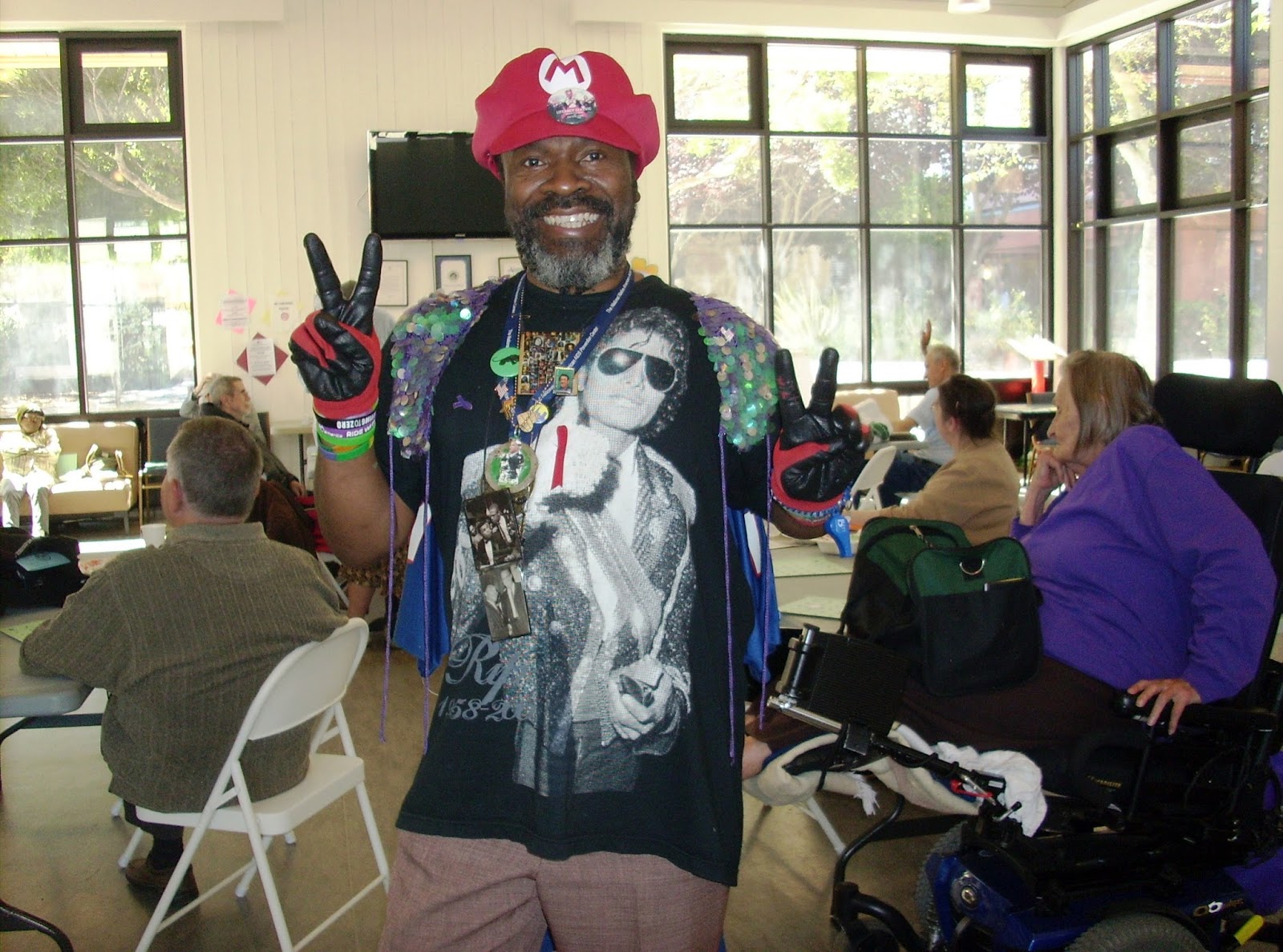
Juicye arrived at SDA reunion, announcing, “Am I Bad? It’s Michael Jackson’s 55th birthday!”    Had Jackson lived to age 55, he would be eligible for additional “senior” discounts!
Contestants from this month’s Dahlia Show 

Sunday, July 28, 2013

Age-less

This month I spent two full Saturdays enrolled in a Diversity and Social Justice course on Ageism and Adultism.  Rather than compete in Oppression Olympics, these –isms are forms of age-based oppression that can result from segregation of older adults and young people who each become subordinated into “the other.”  The first Saturday (diversity education) assignment was a rhetorical triangle analysis of how the media represents youth and elders; and the second Saturday (social justice action) assignment was a paper explaining how I would intervene to stop age-based oppression.  Inspired by Martin Luther King, Jr., I have a dream that we will one day live in a world where people will not be judged by their age, but by the content of their character . . . so here’s my call to action for a healthy age-less society:
Breaking the age barrier:  This consciousness-raising course reminded me of my bargain trip to Malta just months before it joined the EU in 2004.  Merhba (hello in Malti)! Unbeknownst to me, I had joined Grand Circle Travel, which served members of AARP and continues to cater to the age 50+ set.  In Malta, entrance fees were waived for seniors, who apparently were subsidizing the cost of my tour package because the tour director often had to single me out to purchase my adult admission ticket (“I’ll pay for this one”) everywhere we went—and sometimes I got away with youth admission! As a teetotaler, I was a popular dining companion giving away my complimentary glasses of wine during lunch and dinner (night cap).  Dining table discussions centered on health concerns.  Early to bed, early to rise, my senior travel companions would remind each other to take their meds during breakfast.  One senior sent this photo of “independent, intrepid” me--our group's lone younger adult wandering up Mt. Etna, the largest volcano in Europe, during a day trip to Sicily. 
                                                                                       
Though my grandmother had dementia, she remained physically strong and energetic into her 90s.  But within weeks of my grandmother’s reluctant move into a nursing home, we noticed sudden changes in her like weight loss, lack of appetite, slower gait, uncharacteristic quietness, etc.  When we discussed our concerns with the nursing home staff, they assured us that these symptoms were “just part of normal aging so nothing to worry about.”  In my grandmother’s case, nothing was done while her condition deteriorated until she died of pneumonia.  I believe the nursing staff’s stereotyping and negative attitudes toward aging as a process of “inevitable decline” permeates American culture, which equates good health with youth, and thus fails to value health promotion among older adults.

Ageism affects how we treat older adults.  Internalized ageism affects our own behavior as we age, our will to live and even how long we live.  Based on the Cycle of Liberation, here are steps I have taken, and plan to take, to stop age-based oppression:

1.  Waking up:  The nursing home staff’s apparent ignorance of my grandmother’s true health condition (which I strongly suspect was depression, as my grandmother always said she'd rather die than live in a nursing home) and inaction (perhaps neglect) was the critical incident that caused me to really challenge assumptions about what is “normal” aging versus serious health concerns that require appropriate medical attention. 

2.  Getting ready:  My consciousness-raising included learning from gerontology courses taught by Chief Nursing Officer Dr. C at the Jewish Home (Aging Processes) and Executive Director of California Advocates for Nursing Home Reform  (Ethical and Legal Issues in Aging), which helped clarify my perspective.  After my grandmother’s experience, I simply wanted to avoid nursing homes, but Dr. C’s Aging Processes class, which included a field visit to the five-star rated Jewish Home, challenged me to see how culture change is possible to empower nursing home residents to maintain or even improve their biological, psychological and social functioning. 

I will further my gerontology studies so I can continue learning while challenging misinformation by health care providers who may not be adequately trained to understand the specific conditions of old age.  For example, weight loss through dieting is not recommended for older adults, who tend to lose muscle mass in addition to fat.  Studies suggest that being a little overweight is actually healthful in later years, with a little fat “reserve” (e.g., on hips and buttocks of pear-shaped bodies) to be used in case of illness or padding in the case of a fall.

3.  Reaching out:  Knowledge from my Aging Processes class has empowered me to speak up to challenge negative attitudes toward aging and the aged.  As I often hear laypersons stereotype conditions like hypertension and central obesity as part of the “normal” aging process, I respond by pointing to studies showing that they can be prevented through lifestyle and environmental interventions.  Successful health promotion involves sharing information about the realities of aging that can affect sensation and perception so we can recognize when and how to make adaptations and accommodations to these changes.  For example, it is liberating to acknowledge vision or hearing loss so one can take corrective actions (e.g., obtain eyeglasses or hearing aids), which help maintain a sense of balance and reduce risk for falls that could otherwise jeopardize one’s health and ability to age in community.  
Jessica and Kayi of American Red Cross’ Asian Community Preparedness with high school student volunteers visit Ageism and Adultism class to discuss their intergenerational disaster preparedness program, Youth for Chinese Elderly. 
 
4.  Building community:  Working with others of different ages toward a common purpose may decrease ageism.  For example, American Red Cross Bay Area Chapter’s Youth for Chinese Elderly program connects bilingual Chinese youth volunteers with monolingual Chinese elders to promote disaster preparedness, which fosters mutual caring between generations.

Since health status is a reflection of lifelong habits and influences or life course cumulative disadvantage, I support intergenerational health promotion and disease prevention programs—particularly as the rapid rise of childhood obesity places the current younger generation increasingly at risk for developing chronic health conditions (heart disease, diabetes) at earlier ages and even premature death, so the younger generation can learn from the experiences of older adults.  We find common ground in the universal experience of aging.  As time goes on, most of us (who survive premature death) eventually will find ourselves as older adults so everyone is a stakeholder in intergenerational health programs that increase quality of life for all ages. 

5.  Coalescing:  Through a generous grant from San Francisco Department of Aging and Adult Services, I participate in the Healthier Living Coalition with allies to promote the evidence-based Healthier Living-Chronic Disease Self-Management Program workshops that are offered to adults with chronic conditions and their caregivers, which attracts participants from age 18+.  Organizing these free workshops presents an incredible opportunity to address the intersectionality of age, disability, gender, race/ethnicity, socio-economic status, etc. to reduce health disparities in our diverse communities. 
This month’s SDA general meeting focus was on emergency preparedness for seniors and people with disabilities.  Carla Johnson from Mayor’s Office of Disability demonstrates $4,000 evacuation chair.


6.  Creating change and maintaining:  I want to improve quality of health care by creating culture change for person-centered care and gerontology training among health care providers who serve older adults.  As there is so much to do and so little time, I spread my time among different organizations involved in advocacy (Community Living Campaign, Gray Panthers, Senior and Disability Action), gerontology education (American Society on Aging, Gerontological Society of America) and health promotion for all ages (Bay Area Nutrition and Physical Activity Collaborative, Healthier Living Coalition). 

LaborFest:  age-less Medicare and intergenerational literacy
Every July I look forward to LaborFest, which celebrates its 20th anniversary this year.  Before studying gerontology, I worked in the employee benefits field in the design, funding and administration of employer-sponsored retirement and health/welfare plans.  As my work involved consulting with employers on cost-effective ways to manage health care costs, I developed an interest in promoting health and wellness programs that emphasize self-care.    
From left: Steve Zeltzer, LaborFest founder; Charlie Andrews, healthcare writer; Brad Wiedemier, SEIU-UHW board member; and Steve Early, labor journalist. 

Today’s LaborFest program included a discussion of Healthcare, Wellness Programs and Obama’s Affordable Care Act (ACA) and Labor.  The panel discussed the impact of cuts in healthcare as a conscious program of downsizing toward privatization, especially services to the vulnerable poor and elderly: 10% cut in Medi-Cal reimbursement rates (effect is actually around 30% for nursing homes when retroactive liability included), 8% cut in In-Home Supportive Services.  They also characterized wellness programs as part of a cost-shifting trend (“if you have a health problem, you pay more”) because of the emphasis on individual responsibility over social and environmental factors, and the effect of cafeteria plans as pitting the “healthy young” against older persons with chronic conditions.  Instead of the individual mandate in “capitalist-controlled” Obamacare, they favor single-payer, Medicare for all ages.
Maestra’s DVD cover shows army of uniformed volunteer literacy teachers marching with oversized pencils symbolizing the triumph of education when the 1961 Cuban National Literacy Campaign wiped out illiteracy within one year--remarkable when one considers that almost a quarter of the Cuban nation was illiterate prior to the start of Revolution on July 26, 1953.  

In 2001, I traveled to Cuba with Global Exchange to study its universal healthcare and education systems.  So immediately following the Healthcare discussion, I stayed put in the auditorium for a screening of Catherine Murphy’s Maestra (Teacher), an empowering documentary about the 1961 Cuban National Literacy Campaign that mobilized 250,000 volunteers to teach 707,000 Cubans of all ages how to read and write (though the film doesn’t mention teaching propaganda), which meant freedom—and especially female liberation just two years after the 1959 Cuban Revolution.  Almost half of the volunteer teachers were secondary and high school students, the majority were females who left their urban homes (one forged her father’s signature on her permission slip) for the first time to teach in the countryside where they also worked alongside campesinos in the fields.  It was so beautiful to hear (actually I read the film’s English subtitles) from one teacher, who volunteered at age 7 to teach an illiterate 58-year-old man: “He never treated me like a child, nor I treated him like an old man.  We were teacher and student.”  Another volunteer mentioned that older students were proud to have their own teacher, instead of being ashamed to be taught by a young person.  In 1962, UNESCO certified Cuba as free from illiteracy. 
Maestra filmmaker Catherine and Cuban social psychologist Norma Guillard, who is featured in the documentary sharing her experience as a 15-year-old literacy volunteer in Cuba.  I found Catherine age-less, looking pretty much the same as when we were on a Global Exchange Reality Tour of a very polarized Venezuela in November 2003, during the attempted recall of President Hugo Chavez, who was implementing his Bolivarian Revolution (similar to Cuban Revolution).  Catherine grew up close to her grandmother from Havana, where Catherine studied during Cuba's Special Period in the 1990s.  
Maestra panel included college educators who discussed the privatization of community colleges like the state’s de-funding of Older Adults and lifelong education programs (SB 173) in favor of a triage-like strategic plan that focuses on training a workforce for corporate employers, instead of higher education for all. 
Catherine, Norma and Steve are all smiles.  To learn more about literacy as a social justice issue, check out Catherine's The Literacy Project


Old like All, My old like smile?

In the service learning component of my introductory gerontology class, I volunteered with Project SHINE (Students Helping In the Naturalization of Elders) as an ESL Citizenship Coach to 30th Street Senior Center participants from Peru, Mexico, Nicaragua, El Salvador, Colombia, China and India.  I found dictation amusing: for example, the classroom instructor would dictate, “All people want to be free” and a senior would write, “Old people one to be free,” then I would politely correct, “All, not Old” and “want, not one.”  In my reflection paper, I wrote: 

I value my SHINE experience because coaching ESL reminded me of my own roots.  My parents escaped Communist China to immigrate to Hawaii, as adult refugees with no knowledge of the English language.  English was also my second language so we were all learning English—singing along with the Carpenters, James Taylor, Simon and Garfunkel, etc.  I remember singing the opening of "The Sounds of Silence," incorrectly as, “Hello darkness, smile friend” when the lyrics are really, “Hello darkness, my old friend.”  Repeat correction:  “My old, not smile.”  I actually like both versions :-).

Sunday, June 30, 2013

Legacy: film + scholarship

Legacy (noun)
1: a gift by will especially of money or other personal property
2: something transmitted by or received from an ancestor or predecessor or from the past <the legacy of the ancient philosophers>

Legacy film festival:  Silver tsunami on silver screen

As a gerontology geek, my favorite films are about aging: the 7 Up series, whose subjects are now 56 Up, and Before Sunrise/Before Sunset/Before Midnight series. 

With its August 2012 issue, The Gerontologist journal launched its “On Film and Digital Media Section,” showcasing releases focused on aging and instantly became a favorite.  In San Francisco, it’s easy to catch popular features like Amour, Hope Springs, The Best Exotic Marigold Hotel, and Trouble with the Curve.  But it seems more challenging to access film shorts or documentaries about aging, especially ones made outside the U.S.  
 

Fortunately, Sheila Malkind, who has worked in the aging field for over 40 years, organized the Legacy Film Festival on Aging, now in its third year, at SFSU’s Coppola Theatre! Though on summer break after completing my spring semester finals just two weeks earlier, I returned to campus to volunteer (including taking event photos posted here).  The film fest was a wonderful opportunity to connect with like-minded folks about issues surrounding aging during refreshment breaks following each screening’s Q&A session.   
SF Commission on Aging President Edna James (also SFSU MA Gerontology alumna) and NEXT Village Executive Director Jacqueline Zimmer Jones at Opening Night!  Edna teaches weekly health classes at I.T. Bookman Community Center through Nia/Ujima Wellness Nursing Center, sponsored by OMI (Oceanview-Merced Heights-Ingleside) Community Action Organization, which aims to reduce health disparities (specifically in hypertension/stroke, heart disease, diabetes and obesity) among African-Americans in the OMI Community, and to empower people to take ownership of their personal and community health by promoting health literacy. 
Opening Night’s Housing Choices as We Age featured three documentaries.  Silver Age looked at aging in India, Japan (intergenerational “senior homes” that allow family and friends to live together, with “volunteers” subsidized by the government) and Tunisia (caring for one’s parents obligatory since 1994 law, and state cares for old without family).  Being Old and Active (Oud Actief) looked at the Dutch system where one is “free to choose how to grow old” – with its walk-in daycare centers and communal living based on common culture and language for its immigrant elders.  Academy Award nominee for best documentary Kings Point followed a group of seniors who had run away from the “danger and cold winters” of New York in the 1970s to move to Florida’s Kings Point retirement resort; who knew that they’d live so long and miss their children/grandchildren, and how fear of loss might lead to self-preservation so “no one gets close” (“I buried one wife, I don’t want to bury another”).   
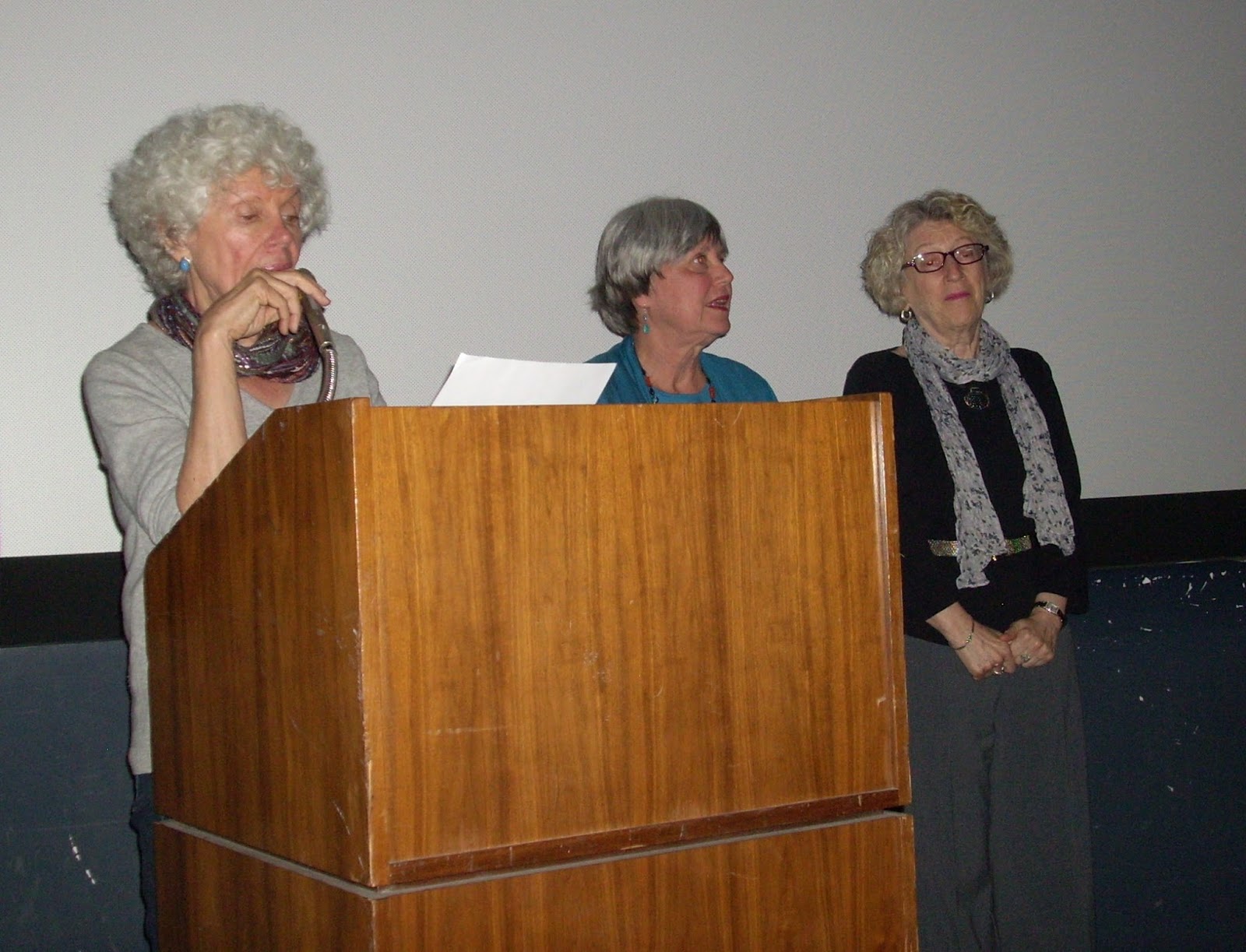
Q&A with Legacy Executive Director Sheila Malkind (moderator), Kings Point director Sari Gilman, SF Village Director Kate Hoepke, Netherlands consul Thijs Boekhoff, and Living Well Assisted Living at Home President/CEO Doris Bersing.

As we consider where and how we wish to age, I wondered about the outsourcing of aging, like Sonny’s description of The Best Exotic Marigold Hotel:  a home for the elderly so wonderful they will refuse to die.”  Doris noted there is no “one size fits all” and a foreign environment would not work, pointing out the recent NY Times article about depression linked to isolation and Alzheimer's disease (http://newoldage.blogs.nytimes.com/2013/05/01/does-depression-contribute-to-dementia/), so moving to Florida without friends and roots would not work if one does not “belong” to a community.

Sari said her father called watching her Kings Point film “relentlessly anxiety-producing,” noting that Americans value independence more by choice, as it’s a badge of pride not to live with parents, who likewise never want to make children take care of them, so there’s a tug to be self-reliant and need other people – how about being interdependent?

After Opening Night, I was hooked.  As a nature lover, I didn’t think I could spend my weekend daytime hours inside a dark theater but the film-watching and ensuing discussions were so enlightening! Some highlights from this year’s 25 thought-provoking films and lively Q&A after each screening:
Slomo filmmaker Josh Izenberg’s father attended medical school with John Kitchin, a neurologist who developed prosopagnosia (face blindness), which prompted him to quit his job (at age 55) to “do what you want now” – living in the Zone (“I am”) while skating slow-motion on Pacific Beach boardwalk!
After a screening of Grasping the Bird’s Tail, about adapting tai chi to one’s physical limitations, we joined SFSU instructor Patrick Ryan for tai chi, which is about connection so we are not alone in the world. 
Kaziah, The Goat Woman filmmaker Kathleen Dolan is developing her documentary into a feature film of this goat rancher who survived polygamy and has painted portraits of over 1,000 fallen soldiers as gifts to their families.  
Gardening friend Pia and classmate Liz enjoy refreshments during break. 
Legacy board member Amy Hittner and classmate Koko at ticket table outside Coppola Theatre.
Sheila introduces The Sum Total of Our Memory director Barbara Klutinis and geriatric social worker Edith Kaplan.  When Barbara’s husband was diagnosed with Alzheimer’s, they joined a support group with three married couples who are featured in this documentary.  Barbara plans to expand her documentary to include experts who can explain the disease and behaviors. 

When it comes to aging, I prefer documentaries as few dramas seem to get the aging process right . . . (like I also have a tendency to critique cooking shows when I see food safety violations like not wearing hair restraints while preparing food).  I suppose I should mention the other Academy Award nominee for best action short, Henry, which Edith found too melodramatic and not medically accurate.  The film began from Henry’s perspective, referring to his wife Maria in the present tense – until we later learn that she died a year ago.  His character seemed so sweet and romantic, unlike the “women mourn, men replace” pattern.  It’s refreshing to see a man actually pine over a relationship loss, especially with the flashbacks showing the couple’s early years. At one point, Henry asks, “Have I been a good man?” which I thought was like the sum total of one’s life.  But I didn’t agree with the film’s ending quote about “the worst thing about old age is an old man losing his memory.”  Instead, after living a full and long life, I would expect that people would need to be more selective about what they choose to remember.  It’s like Botany of Desire’s marijuana chapter—it’s not so great to actually remember everything, like pain or post-traumatic stress disorder, so some memory loss might be beneficial for our survival.  Forgetting the past keeps us in the present so it's almost zen-like? But I’m already looking forward to the future, like the 4th annual Legacy Film Festival on Aging next year!


Legacy scholarship: Shout out to PG&E employees!


Talk about films, I had my Academy Award winner Sally Field (now 66 years old) “You like me, you really like me!” moment when PG&E Legacy Employee Resource Group notified me that I was a recipient of its scholarship awarded to “individuals who support senior citizens in the communities we serve.”  Since then, I have not looked at my utility bill the same way again J.

The scholarship announcement stated “one or more deserving working adults or students will receive a scholarship of $1,000 to $2,000.”  My scholarship award was actually a larger amount to cover my final year of graduate gerontology studies at SFSU, which really exceeded my expectations! According to Scholarship Committee Chair Alva Svoboda, there were 48 applicants for 11 awardees – 10 females and 1 male, similar ratio at SFSU gerontology program.
Wow, I was so impressed by the generosity of financial support plus the lovely celebratory banquet, where I brought along my two extraordinary RD mentors--Lisa Yamashiro, Nutrition Program Coordinator at City College of San Francisco, and Linda Lau, Nutritionist at Department of Aging and Adult Services--who wrote letters of recommendation and remain truly inspiring role models of professionalism, expertise, collaborative spirit, kindness, compassion and cultural sensitivity, to make our City an amazingly inclusive place for everyone to age in community with nourishing food! 
The Scholarship Awards Ceremony, "Common Passion, Diverse Focus," combined Legacy with NuEnergy Employee Resource Groups (pictured above are Patrick Tan of NuEnergy and Susan Randall-Nelson of Legacy) for a total of 15 scholarship recipients.  The ceremony began with a safety message – “duck, cover, hold” in the event of an earthquake, followed by a show of hands who were CPR-trained.  My mentors and I shared a table with two CPR-trained PG&E employees, including recently retired Beth who explained that employees were involved in scholarship fundraising (including bake sales!) throughout the year because supporting students committed to working with seniors is in their best interests as they'll all be seniors soon!
We were told to limit acceptance speeches to one minute, so I managed to thank Alva (pictured above) and Legacy Scholarship Committee, my guests Linda and Lisa for their inspiring mentorship in senior nutrition and health promotion, and my family who modeled intergenerational living where seniors really rocked!  

In the morning prior to the scholarship banquet, I was at UCSF Neurosciences to get my brain scan as part of the non-depressed group study (mentioned in my April posting).  Above are views of my brain top and left brain—looking quite happy in anticipation of the evening’s event meeting wonderful PG&E Legacy Scholarship Committee members (thanks Alva, Marlene, Susan, Karla, etc.!), my totally inspiring mentors (thanks Linda and Lisa!) and new colleagues (hello Fairley from Openhouse and Isabel from California Pan-Ethnic Health Network)!